

Hair Color Numbering System Explained
Hair color numbers are the universal language of hair color, helping you understand levels, tones, and shades so you can confidently select your perfect match. But sometimes, with so many numbers and information, it can almost feel like guesswork. Think of this as your complete Garnier color guide for hair – once you know how the numbering system works, decoding the numbers on a Garnier box is easy!
Understanding the Hair Color Wheel
Before diving into the numbers, it helps to take a step back and look at the hair color wheel.

This tool shows us how colors relate to one another, and it’s the foundation of how hair color theory works. Colors that sit opposite each other on the hair color wheel cancel each other out, while those that sit side by side blend together seamlessly. For example, ash shades, which are blue- or green-based, neutralize the orange and red tones that appear opposite them on the wheel. Golden tones, on the other hand, add brightness and warmth, and when layered with coppers or reds, they create vibrant, dimensional results.
Once you understand this simple principle, you’ll see why choosing the right shade isn’t just about liking the picture on the box, it’s about knowing how the tones in your hair and the tones in your chosen color will interact.
What Do The Numbers And Letters Mean In Hair Color?
Every Garnier shade is labeled with a combination of hair color numbers, and each number carries a specific meaning:
1. Level – Numbered from 1 to 10, they tell you how light or dark the color is.
2. Tone – They tell you if the shade is warm, cool, or neutral.
3. Reflect – A supporting tone that can add dimension or balance out the tone.
Together, they form the “shade code” you see on the box.
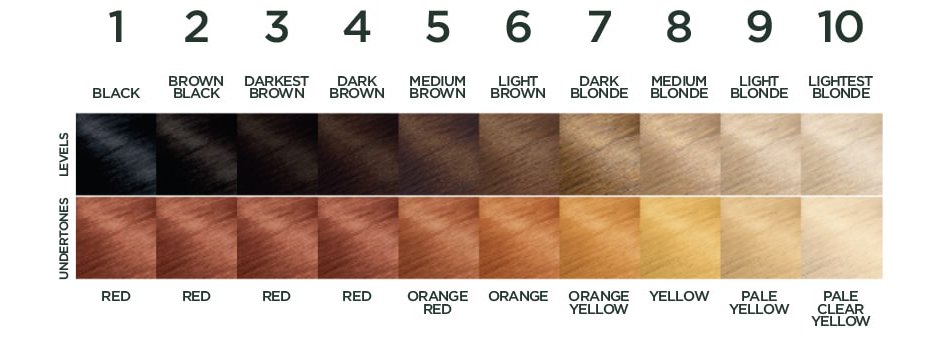
What is a Hair Color Level?
Hair color levels simply describe the depth of the color and range from 1 to 10.
- Levels 1–3: The very bottom of the scale, they range from the blackest black to deep browns.
- Levels 4–6: The middle of the scale, they range from dark browns and brunettes.
- Levels 7–10: The top of the scale, they range from lighter blondes to platinum shades.

Finding your root color is the first step toward choosing a hair color shade that works for you. The easiest way to do this is to look at your roots in natural light and compare them against Garnier’s hair color level chart. Need help identifying your current hair color level? Try our Shade Selector Tool for quick and easy results.


What is a Hair Color Tone?
Hair color tones are what give your shade its unique character, and each tone is also represented by a number, as shown above.
- Warm tones include gold, copper, or auburn hues and add radiance and warmth.
- Cool tones balance brassiness and include ash, violet, and greens.
- Neutral tones strike a balance between both warm and cool tones for natural results.
Tone Family 1-3: Black to Darkest Brown
Tone Family 4-6: Dark Brown to Light Brown
Tone Family 7-10: Dark Blonde to Lightest Blonde
What is a Hair Color Shade and Reflect?
When you put the level and tone together, you get a shade. For instance, 83 translates into a medium golden blonde, with the “8” referring to the level, and the “3” indicating the golden tone. Sometimes, a shade will include two tone numbers. The first digit shows the dominant tone, while the second is the reflect— a hint of secondary tone that adds a touch more color depth.
Example 1: 53 Medium Golden Brown
• It’s a Medium Brown (Level 5)
• With a Golden Tone (3)
• It’s a Medium Golden Brown
• It’s a Medium Brown (Level 5)
• With a Golden Tone (3)
• It’s a Medium Golden Brown
Example 2: 7.0 Dark Blonde
• It’s a Dark Blonde (Level 7)
• With a Natural Tone (0)
• It’s a Dark Natural Blonde
• It’s a Dark Blonde (Level 7)
• With a Natural Tone (0)
• It’s a Dark Natural Blonde
Example 3: 535 Medium Golden Mahogany Brown
• It’s a Medium Brown (Level 5)
• With a Golden Tone (3)
• And a Mahogany Reflect (5)
• It is a Medium Golden Mahogany Brown
• It’s a Medium Brown (Level 5)
• With a Golden Tone (3)
• And a Mahogany Reflect (5)
• It is a Medium Golden Mahogany Brown
Hair Color Correction: What's Possible and What's Not
Color correction is the process of adjusting or neutralizing an existing hair color to fix unwanted tones, balance uneven results, or change the shade so it matches the desired outcome.
What’s Possible at Home with Garnier?
- Neutralizing brassiness with ash tones.
- Covering uneven color with darker tones.
- Refreshing faded color with glosses or color revivers.


What Requires Additional Work at a Salon?
- Lifting hair more than 2 levels without bleach.
- Correcting patchy bleach jobs or major banding.
- Fully shifting from dark black to light blonde in one step.
Garnier Nutrisse Ultra: How Do Hair Color Numbers Work?
Formulated with extra-concentrated pigments and designed to deliver vibrant results on dark hair, without bleach, Nutrisse Ultra hair color numbers have a unique system. Each shade name is an abbreviation of the color result (V = Violet, IN = Indigo, BR = Burgundy) plus a number. Use the shade name plus the picture on the box to understand how dark or light the shade is and whether it has a warm or cool tone.

How to Find The Right Shade of Hair Color for You
Step 1: How to Determine Hair Color Level
Your starting hair color level influences how light or dark you can go, and which Garnier product will deliver the best results. With most Garnier Nutrisse Nourishing Color Creme, Olia, and Color Sensation shades, you’ll be able to change within 2 levels lighter or darker than your existing hair color. As a rule of thumb, you’ll want to stay within these 2 levels unless you’re using bleach. From there, let your skin guide you. Warm skin tones (peachy or greenish veins) suit golden shades, cooler skin tones (bluish or purply veins) pop with ash tones, and neutral tones work for just about everyone. For a more dramatic change, try our Nutrisse Ultra Color Platinum Bleach kits and High Lift Blonde shades, as well as our highlighting kits.
Need some help identifying your current hair color level and how light or dark you can go? Try our Shade Selector tool.
Shade Selector


Step 2: How to Select a Hair Color Tone
Once you’ve picked a hair color level, it’s time to think about tone. Warm tones (look for a “3”) add brightness and bring out warmth in your complexion. Cool tones (look for a “1” in the number) help mute brassiness and give hair a fresher finish. Neutral tones (designated by a “0”) fall right in between, balancing both warmth and coolness for natural-looking results, and are a good bet if you want your hair’s natural highs and lows to show through while covering grays.
Garnier Expert Tips for Choosing Your Hair Color Shade
- Found a shade you love? Check the before/after pictures on the side of the box to make sure it will deliver the results you want. Match your hair color at the roots (not the ends) to the “before” picture to see what result to expect.
- If your hair isn’t a match – especially if it’s darker than the pictures on the box – you will not achieve the color result you’re looking for.
- Another expert tip? Once you color your hair, you won’t be able to lighten it at home without using bleach.
- If you’re debating between two shades, you may want to try the lighter one first. If you eventually decide to go darker, you can easily apply the darker shade on top of the other shade later.

Find Your Perfect Hair Color with Our Shade Selector Quiz
Are you asking yourself how to find the right shade of hair color? Take the Shade Selector quiz to get instant, personalized recommendations based on your current color and your dream shade.

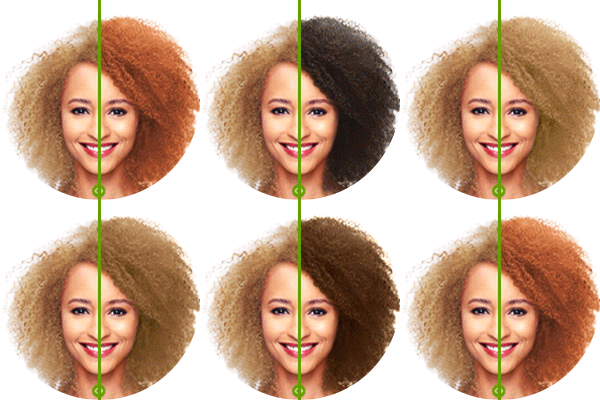
Hair Color Virtual Try-On
Want to see before you commit? Use Garnier’s Virtual Try-On Tool to preview shades. It’s the easiest way to test drive a new look!
Browse By Brand
Nutrisse Ultra Crème
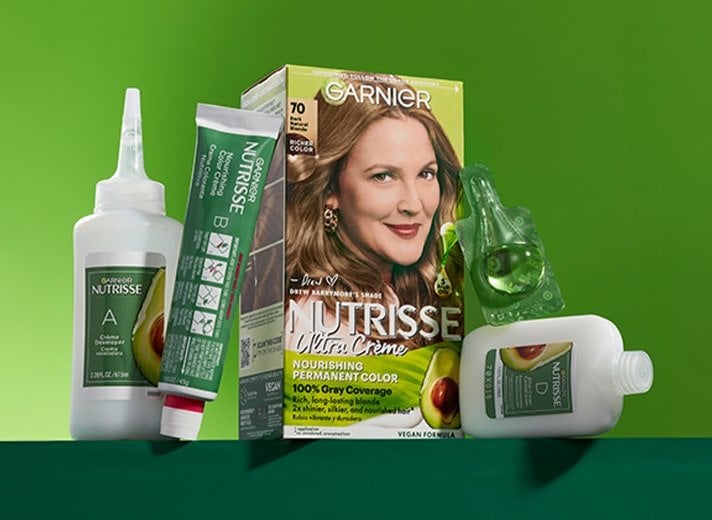
Radiant hair color with the power of fruit oils in a non-drip formula.
SHOP NOWNutrisse Ultra Color
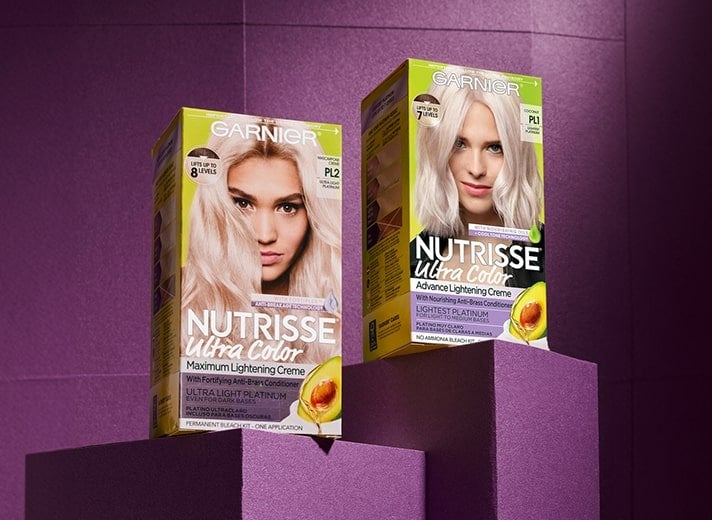
Ultra vibrant and fade-resistant color in one step, even on dark hair.
SHOP NOW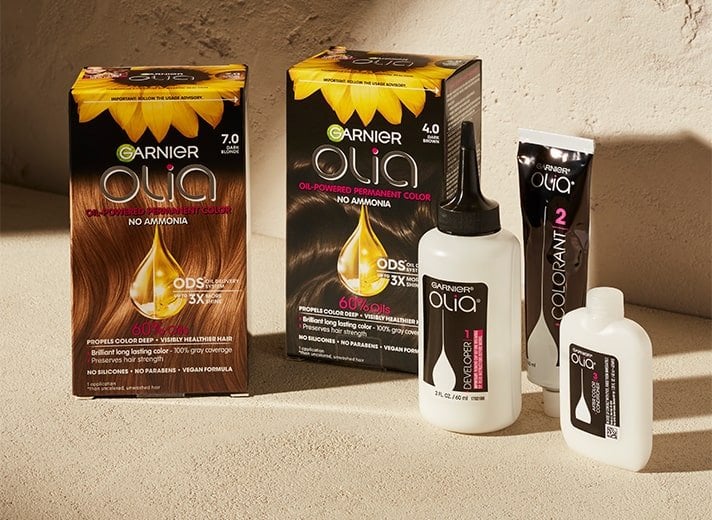
Hair Color Numbering System Frequently Asked Questions
Are Hair Color Numbers Universal?
How Do I Determine My Starting Hair Color Level?
What Is the Difference Between Hair Color Levels and Shades?
1. A hair color level tells you how light or dark your color will be, with 1 being the blackest black and 10 being the palest blonde.
2. Shades, on the other hand, combine a level with a tone. For example, 5 = medium brown (level), while 53 = medium golden brown (shade). Think of the level as the “base” and the shade as the “final result.”
How Do I Pick the Right Garnier Shade for Gray Coverage?
Which Garnier Hair Color Collection Is Best for Me?
• Nutrisse is packed with avocado, olive, coconut, argan, and shea oils. It nourishes as it colors, leaving hair up to 3x more moisturized and 2x stronger. It’s the go-to if you want vibrant color with long-lasting softness and shine.
• Olia is powered by 60% oils and with no ammonia. It delivers intense, natural-looking color while visibly improving hair quality over time. If you’re looking for healthier hair, Olia is your pick.
Can I Lighten My Hair More Than 2 Levels at Home?
Which Tone Digit Cancels Brass at My Level?
How Often Should I Maintain My Level vs Just Tone?
What Double-Reflect Should I Use to Be Cool, Not Dull?
Is a Shade with Multiple Reflects (Double Tones) More Difficult to Maintain?
How Often is Color-Safe Toning Needed?
Garnier Commits to Greener Beauty
-

Cruelty Free Products
All Garnier products are approved by Cruelty Free International under the Leaping Bunny Program. -

99% Vegan Products
99% of ingredients in Garnier's products are vegan and not derived from animals. -

Renewable Energy Goal
By 2025, all electricity & gas usage in our plants and distribution centers will be carbon neutral.


