Products for Sensitive Skin
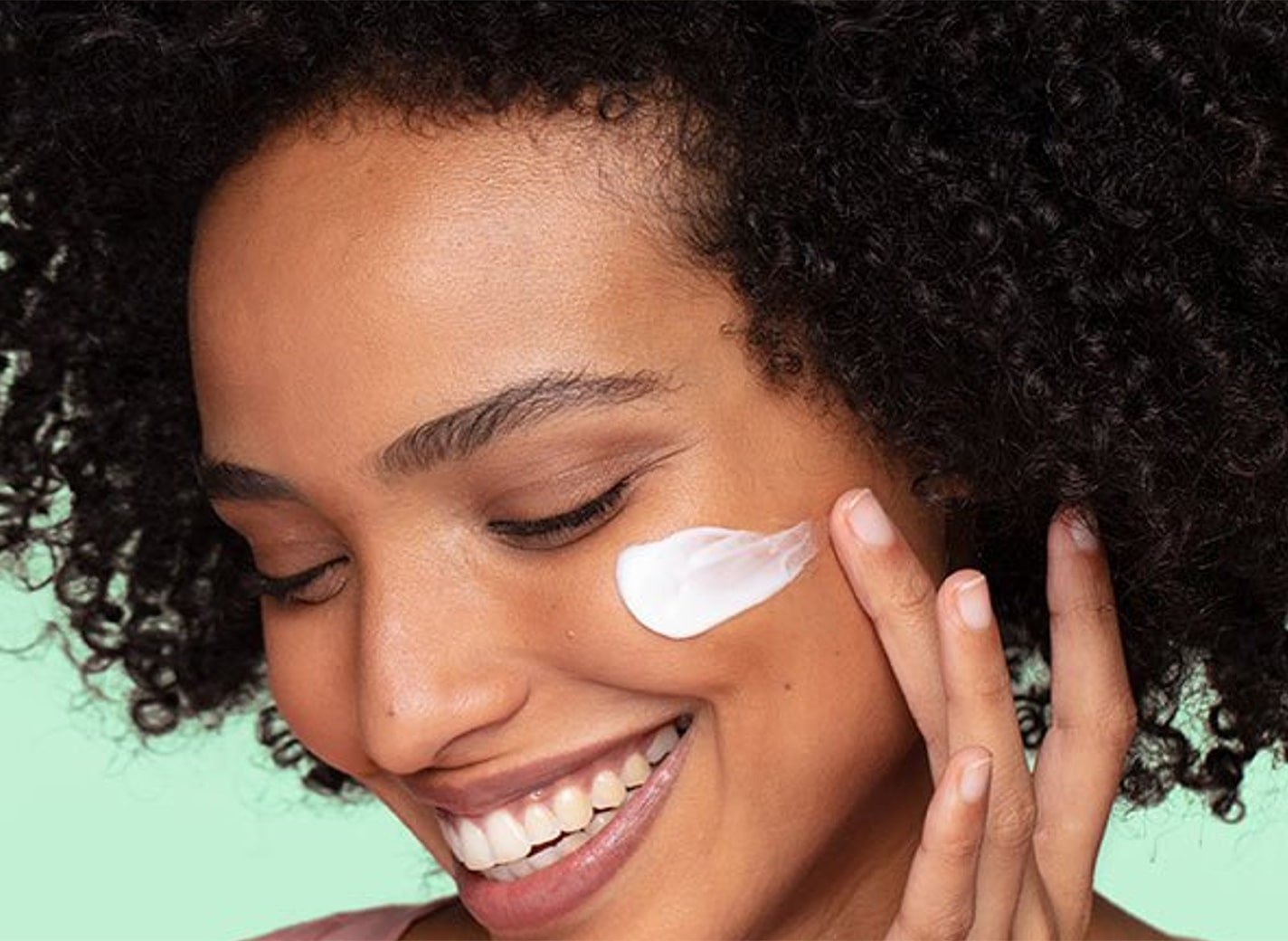
Solve all your sensitive skin issues by building a custom skin care routine with gentle sensitive skin products to soothe and balance.

What is Sensitive Skin?
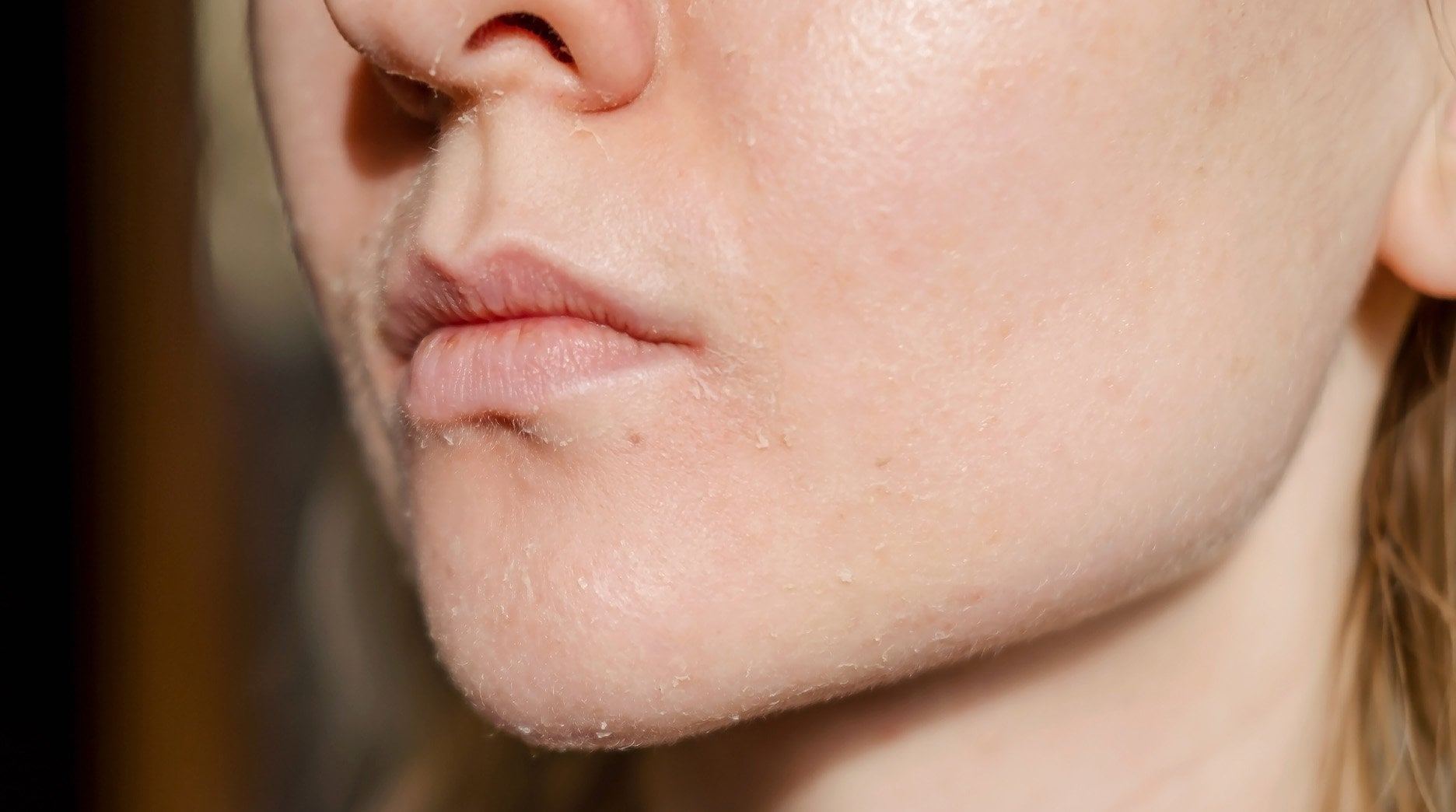
Sensitive skin is a skin type, but it also refers to an occasional condition. If you have inherited sensitive skin, you know that irritation, redness, and blemishes are pretty common. If you experience periodic sensitive skin symptoms, it’s most likely a reaction to seasonal extremes, contact with irritants, overly harsh skin care products, and even diet or stress. Whether your sensitive skin is permanent or temporary, you need to learn the specific factors that can trigger your particular symptoms: outbreaks, itchiness, rough patches, stinging, etc. Only then can you make informed choices about the right sensitive skin care routine.
What Causes Sensitive Skin?
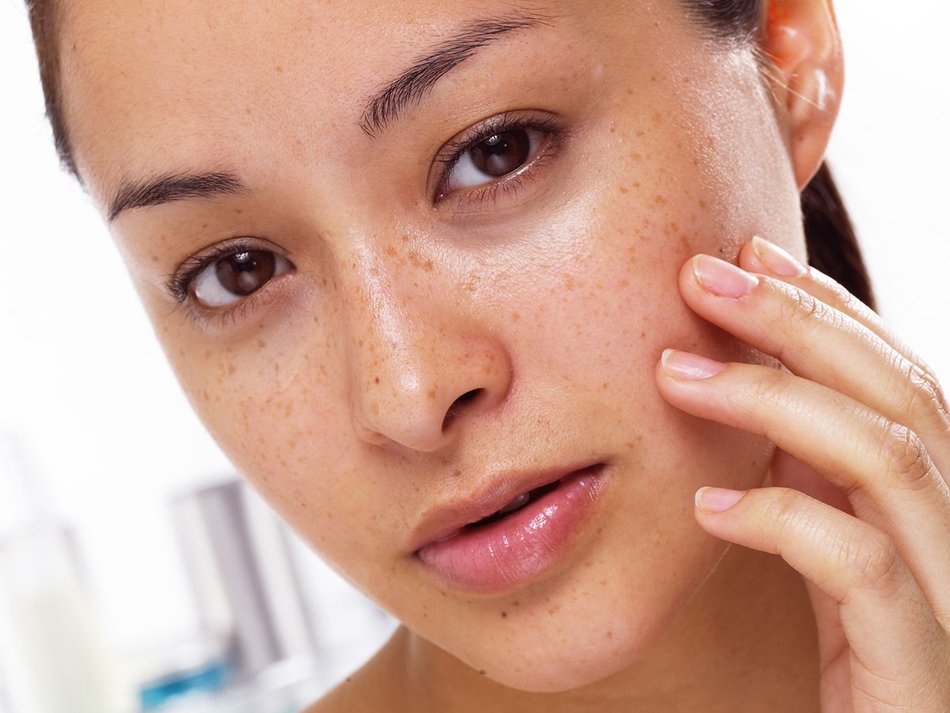
There are many underlying factors leading to sensitive skin that fall into four broad categories:
- Environmental: climate, humidity, sun, extremes temperatures, pollution
- External: irritating ingredients in cosmetics and body products, soap, exfoliants, chemicals
- Internal: stress, hormones, alcohol, medications, allergies
- Hereditary: a predisposition for sensitive skin
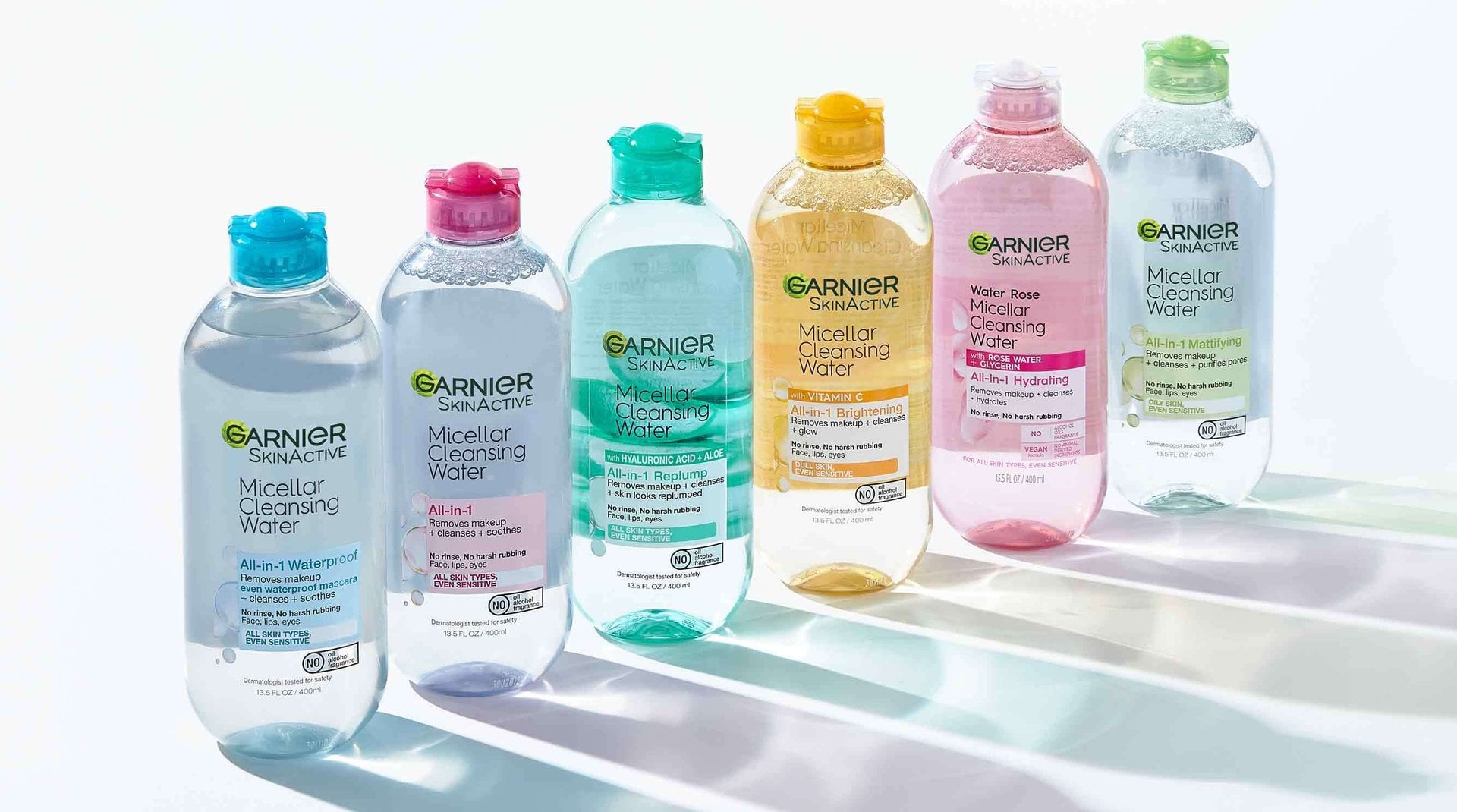
Skin Care Products for Sensitive Skin
Skin Care Products for Sensitive Skin

Tips for Sensitive Skin
- Everything in moderation: Avoid water and air that reaches extremely low or high temperatures.
- Go slowly: To start a new sensitive skin care routine, do a 48-hour patch test and introduce one product at a time.
- Stay neutral: Beware of skin care or laundry products that contain fragrances, dyes or perfumes.
- Be gentle: Never scrub, rub or apply pressure when using products on sensitive skin.

Top Ingredients for Sensitive Skin
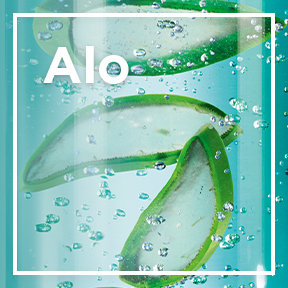
Aloe Vera
Moisturizing | Soothing
Niacinamide
Reduce imperfections | Soothing
Hyaluronic Acid
Moisturizing | Skin Reinforcement
Sensitive Skin Tips & How-Tos

FREQUENTLY ASKED QUESTIONS
- What is the difference between sensitive skin vs. irritated skin?
- What ingredients are good for sensitive skin?
- What should I avoid if I have sensitive skin?